funics

Author Archive

Five minor 7 scales & How to Use

In Scales, Theorie on January 6, 2010 at 10:23 am

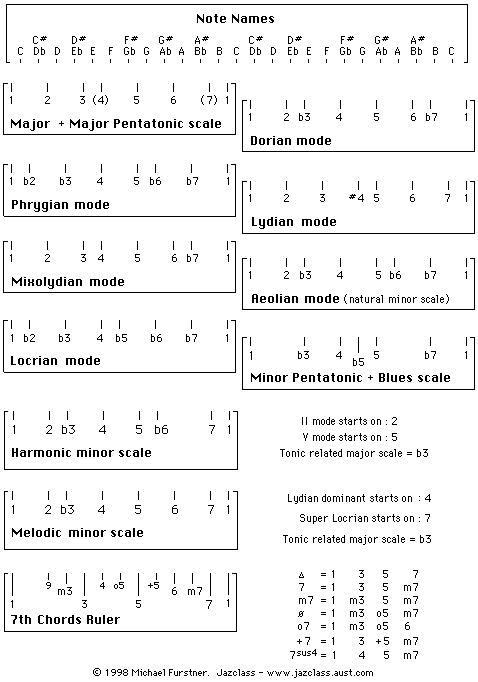
A minor scale can be defined as any scale with a minor scale-tone tonic chord but without a major 3rd (measured from the scale tonic).

The scale must contain:

  • a minor 3rd
  • a perfect 5th

The minor pentatonic scale and the blues scale are minor scales, but the 8-note dominant scale is not : it contains an ambiguous major 3rd. Neither is the 8-note diminished scale because a minor scale-tone chord can not be formed on its tonic note (it lacks a perfect 5th).

They are (in order of their importance in Jazz):

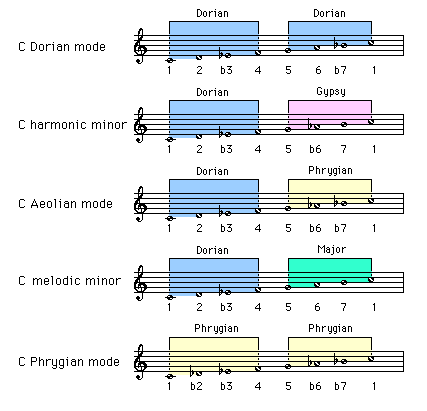
  1. Dorian mode – characteristic notes : 6 and b7
  2. Harmonic minor scale – characteristic notes : b6 and 7
  3. Aeolian mode (natural minor scale) – characteristic notes : b6 and b7
  4. Melodic minor scale – characteristic notes : 6 and 7
  5. Phrygian mode – characteristic notes : b2b6 and b7

These minor scales are easiest to recognise by ear by knowing their tetrachord components.

The four component tetrachords are:
Uses of the minor scales

Below a brief overview of the most common uses for the various minor scales in Jazz improvisation.

1.  Dorian mode

This is by far the most commonly used minor scale for Jazz improvisation. Use the Dorian mode over minor chords in these settings.

  1. for isolated minor 7th chords : Cm7
  2. in all IIm7 – V7 segments : Cm7 – F7
  3. when preceded by V7 : G7 – Cm7 or Dø – G7 – Cm7
  4. when preceded by 1 or 2 other minor chords : (Dm7 -) Gm7 – Cm7
    (in this case Cm7 is part of a scale-tone chord progression segment of a major scale)

2. Harmonic minor

This scale is never used over minor 7th chords and only occasionally over minor triads.Use this scale over al IIø – V7 segments in songs.

In the segment Gø – C7 use :

G – Ab – Bb – C – Db – E – F – G (IImode F harmonic minor) over  (IIø)

C – Db – E – F – G – Ab – Bb – C (Vmode F harmonic minor) over C7 (V7)

Use the V mode of the harmonic scale over all V7 chords in typically minor songs.

3. Aeolian mode (natural minor scale)

This scale is most commonly used when there are 2 minor 7th chords (which are next to one another on the Circle of Fifths). They then represent two scale-tone chords of a major scale like VIm7 and IIm7, or of a minor scale like Im7 – IVm7.

Use the Dorian mode for the minor 7th chord down stream on the Circle of Fifths.
Use the Aeolian mode for the upstream m7 chord.
Both modes use the same scale tones.

For example for a combination of Cm7 and Fm7 chords use :

C – D – Eb – F – G – Ab – Bb – C (C Aeolian mode) : for Cm7 (VIm7)

F – G – Ab – Bb – C – D – Eb – F (F Dorian mode) : for Fm7 (IIm7)

(Sometimes the C Dorian mode is still preferred over Cm7 to create some additional interest.)

4. Melodic minor

This scale is rarely used for improvisation over minor chords.Its great attraction in Jazz are the modes derived from the melodic minor scale. These are commonly used for altered dominant chords.

5.  Phrygian mode

This mode is very prominent in the composition and improvisation over Spanish flamenco musicIn Jazz the Phrygian mode is mainly used for scale-tone chord segments that contain three minor 7th chords.  They function as : IIIm7 – VIm7 – IIm7. The Phrygian mode is use for the first chord in the row (IIIm7)

In the segment Gm7 – Cm7 – Fm7 use :

G – Ab – Bb – C – D – Eb – F – G (G Phrygian mode) : for Gm7 (IIIm7)

C – D – Eb – F – G – Ab – Bb – C (C Aeolian mode) : for Cm7 (VIm7)

F – G – Ab – Bb – C – D – Eb – F (F Dorian mode) : for Fm7 (IIm7)

Note that all three modes contain the same notes because they are derived from the same major scale. When in doubt as to what scale to use, try out different ones and listen to it.


The ImM7 Chord

Progression: Im – ImM7 – Im7 – VIø – bVImaj7 – V7

The minor Major 7th chord is the scale-tone 7th chord built on the tonic of the harmonic minor scale (and also of the melodic minor scale).
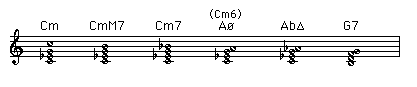
Its main use is as a passing chord between a minor triad and a minor 7th chord.
This chord sequence produces a stepwise (semitone) motion from C –> B –> Bb

  • Cm = C – Eb – G – C
  • CmM7 = C – Eb – G – B
  • Cm7 = C – Eb – G – Bb

The chords produce a continuous line of chord tones that descends stepwise in semitones through the entire progression.

In C minor : C –> B –> Bb –> A –> Ab –> G –> then back to C

This line is most commonly used as a moving bass line

Source: JazClass from Michael Furstner, who developped a very comprehensive Jazz Class course. Thanks to him.


 

Grilles d’Accords (Chords Tables )

In A Night In Tunisia, Blues for Yna Yna, Canyon Lady, Chitlins Con Carne, Cold Duck Time, Good Bye Pork Pie Hat, Listen Here, Partitions, Recado Bossa Nova, Watermelon Man, Well You Needn't on January 5, 2010 at 4:16 pm

Quelques grilles concernant nos principaux morceaux. (Chords tables for:)

ou directement dans la librairie.

De Nouveau Jacques de Lignières et son JDL Quartet / Autour de Midi Rue Lepic le 16 janvier

In Events on January 5, 2010 at 11:00 am

Jacques de Lignières / Boby Few / Serge Lambolet / Hervé Czak  , Le JDL Quartet se produit une nouvel fois le 16 Janvier, 22h00  au Club: Autour de Midi, 11 rue Lepic, Paris 18e…. T Monk, Art Pepper…..

lignieres

Jazz Crossword Puzzles

In Fun on January 4, 2010 at 11:45 am

Par Danny Luciano

Jazz Crossword Puzzles

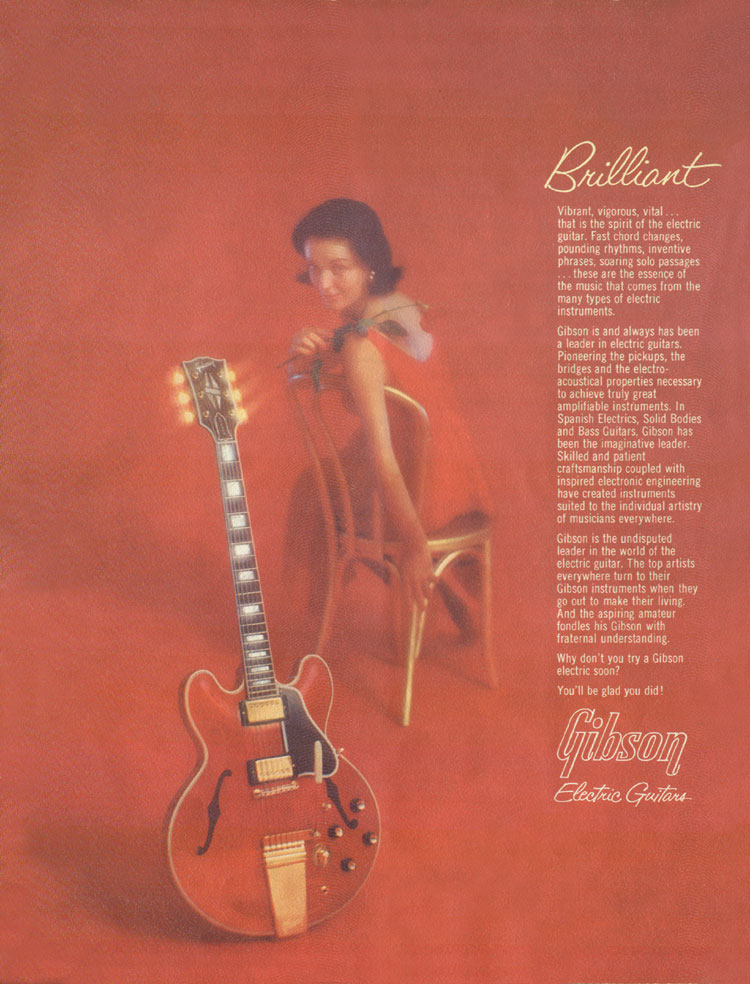
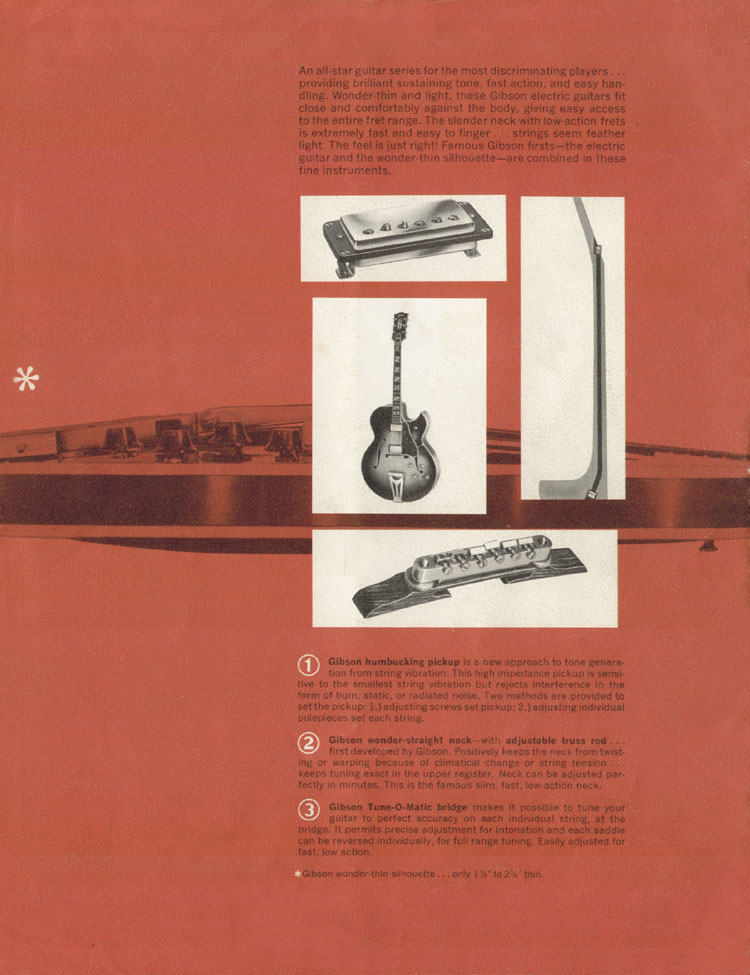
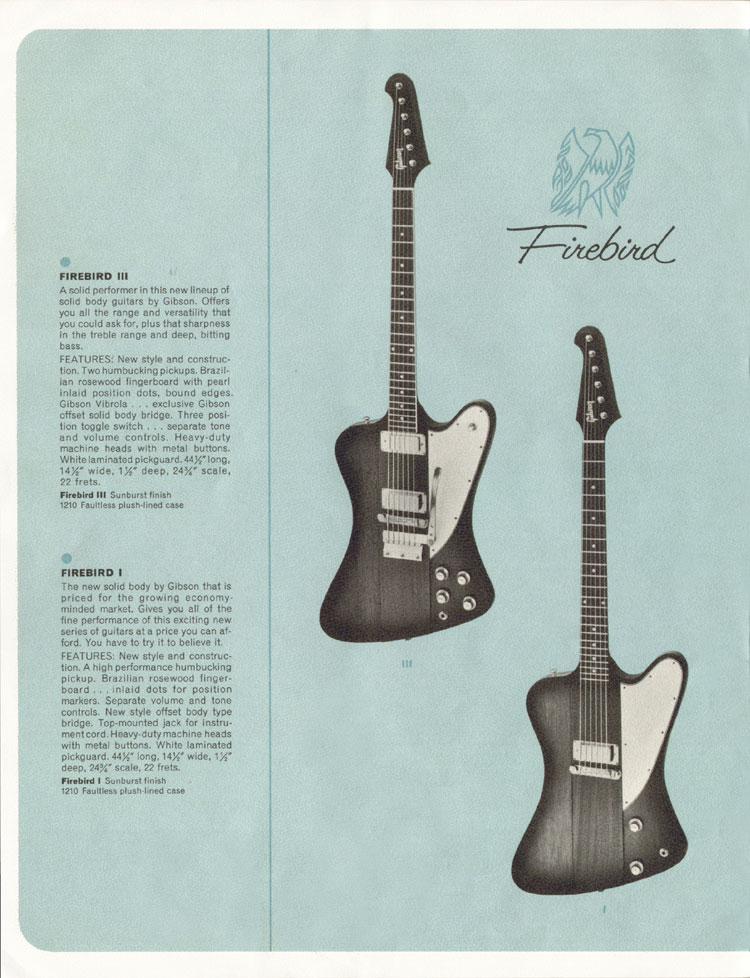
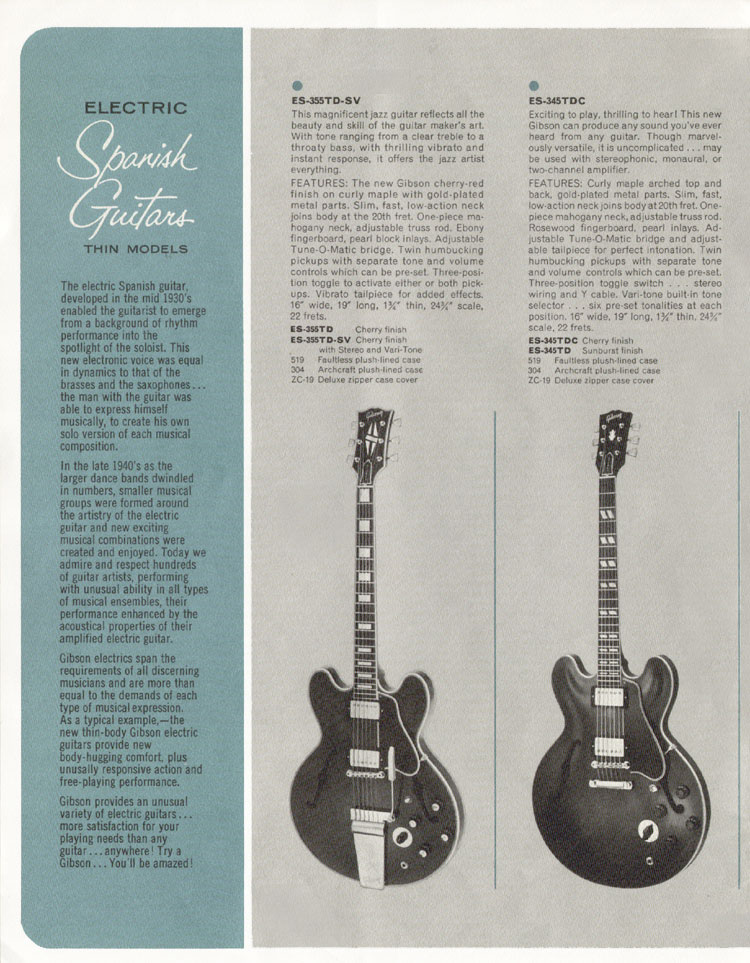
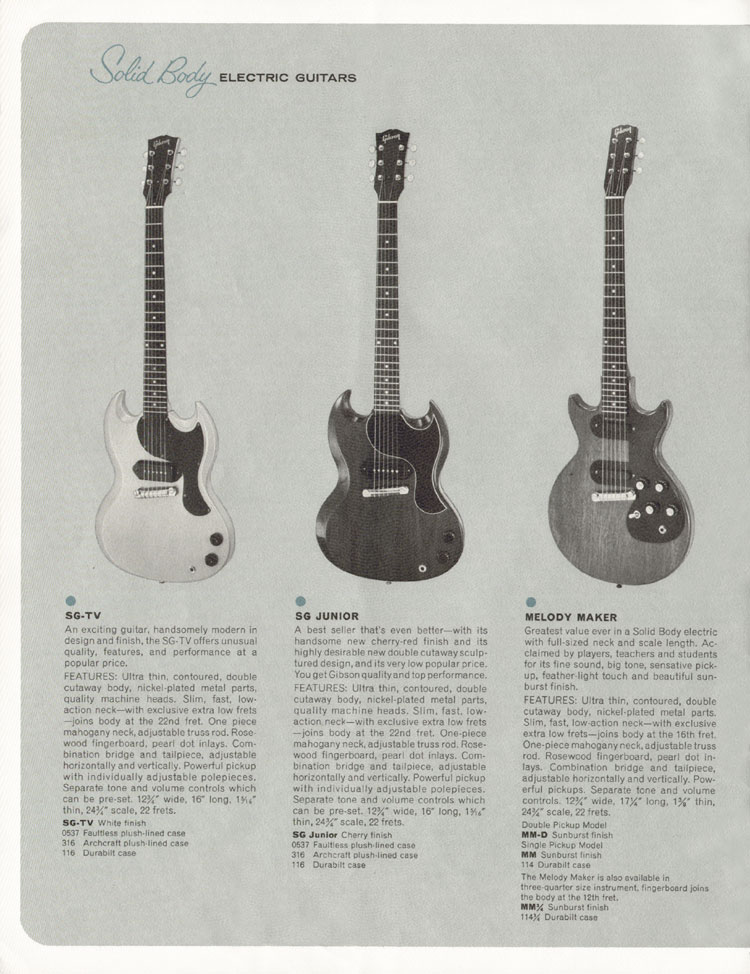
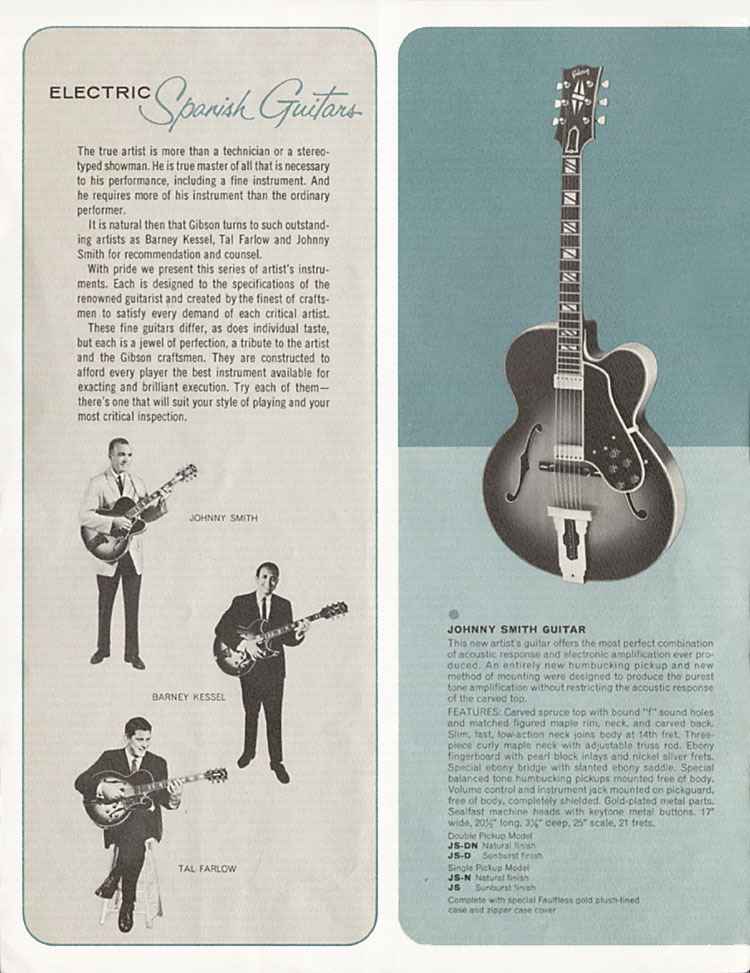
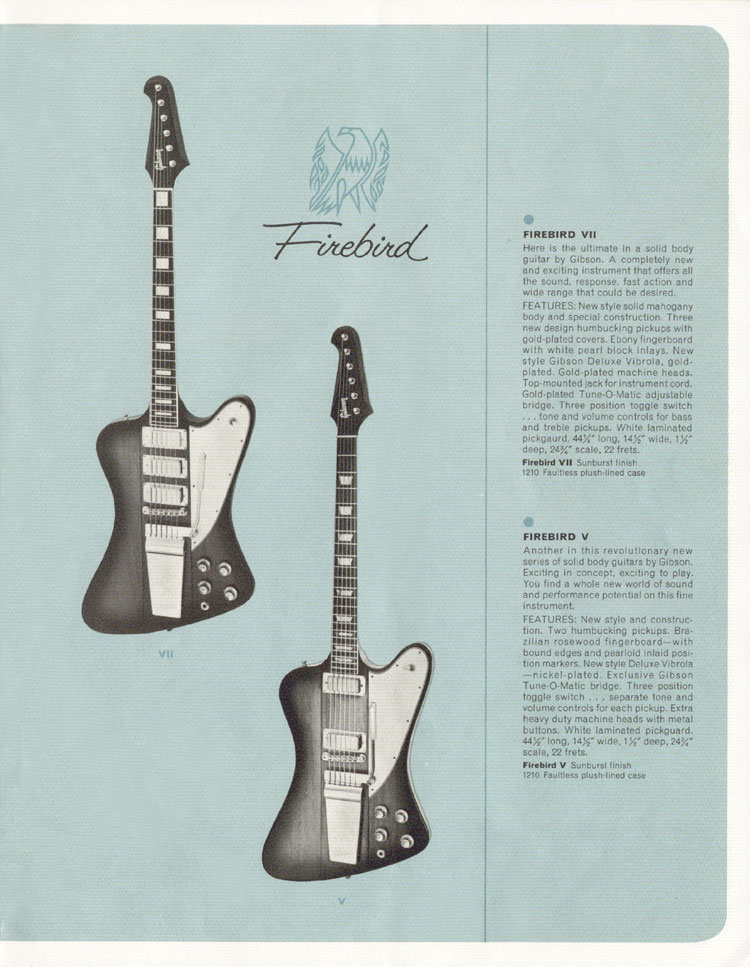
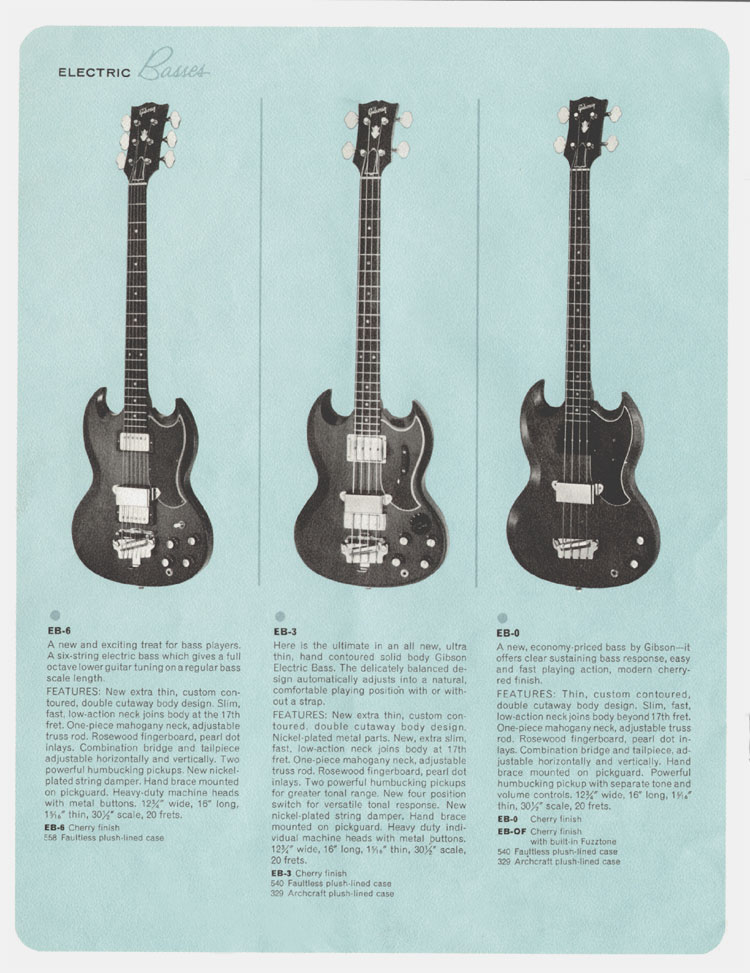
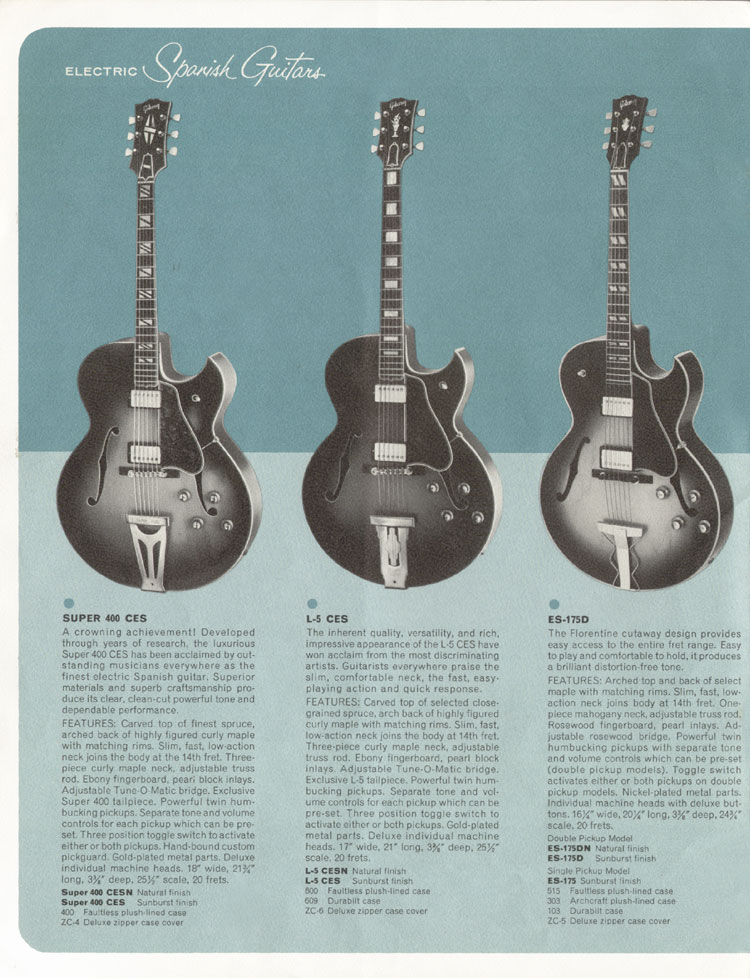
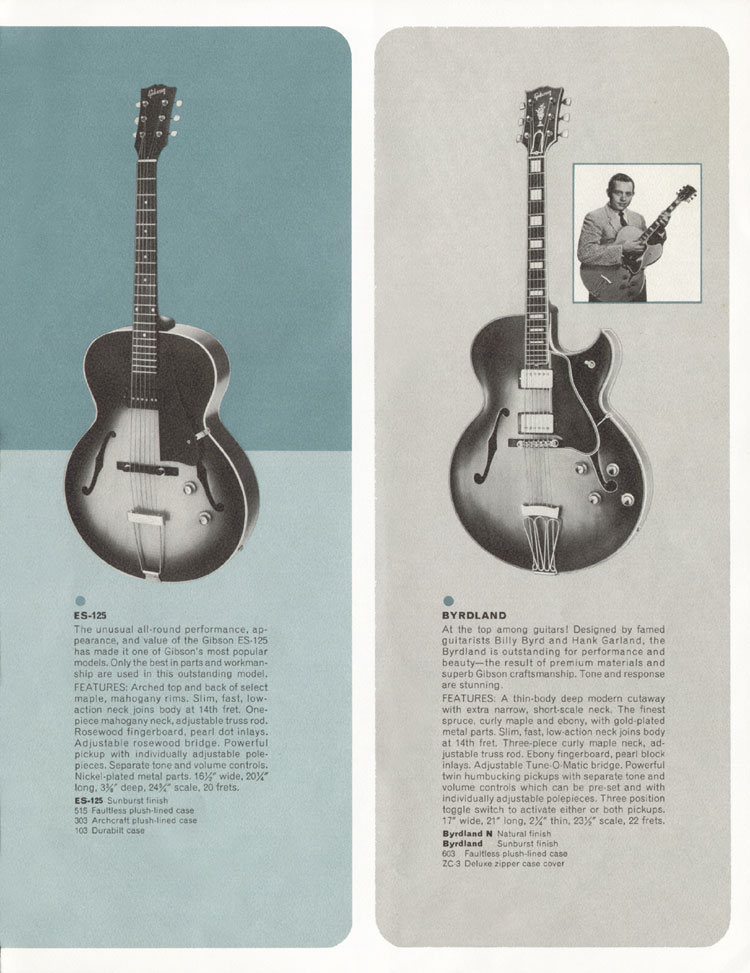
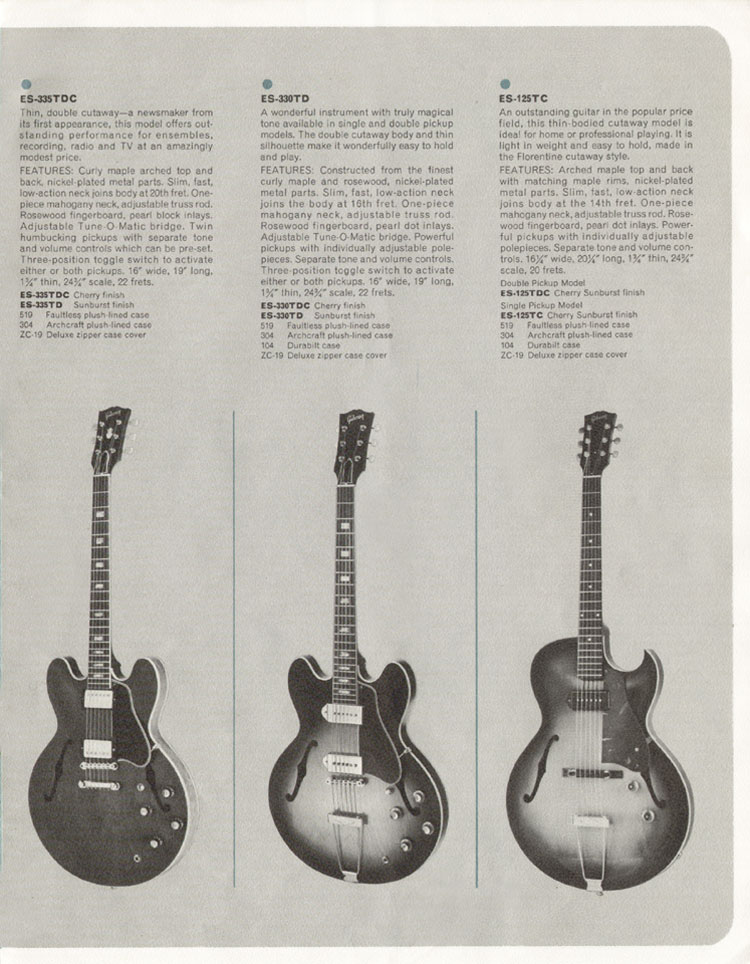
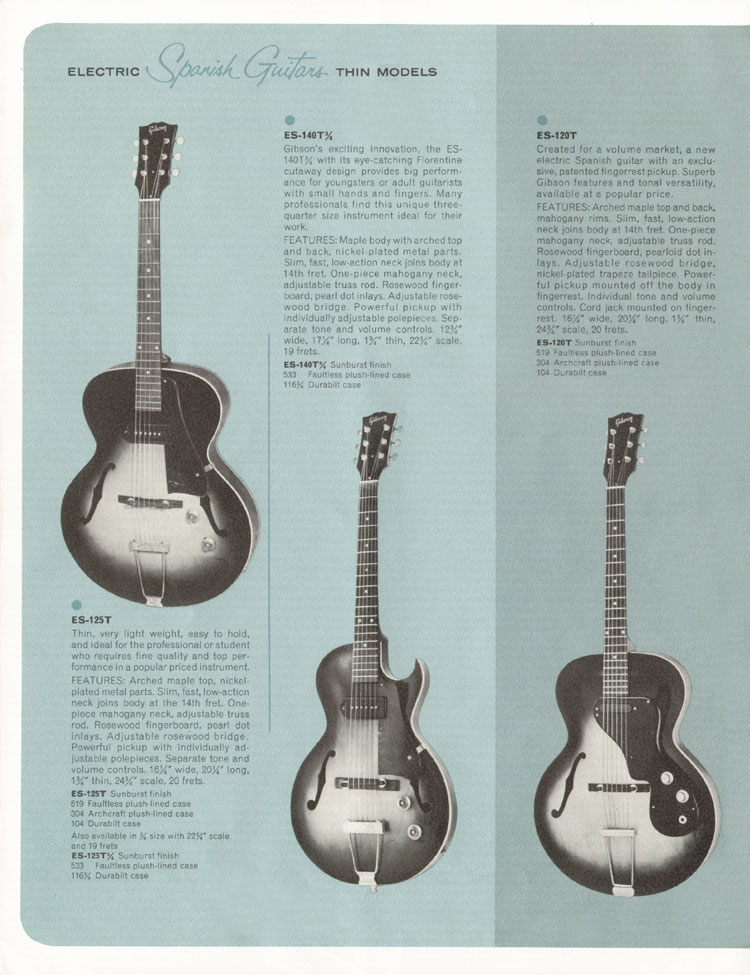
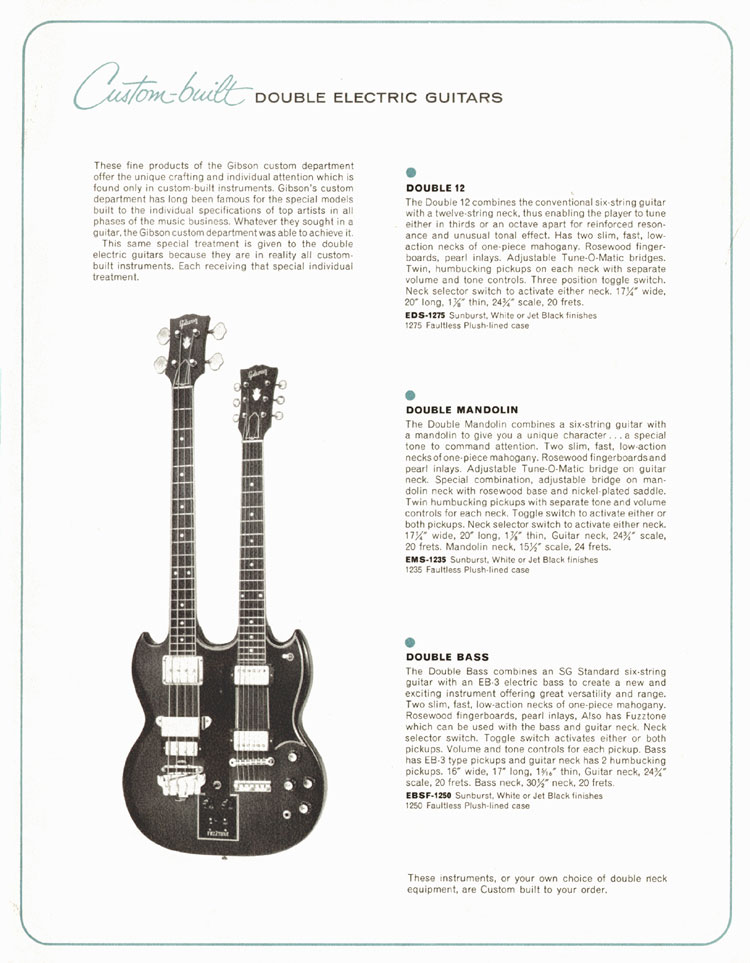
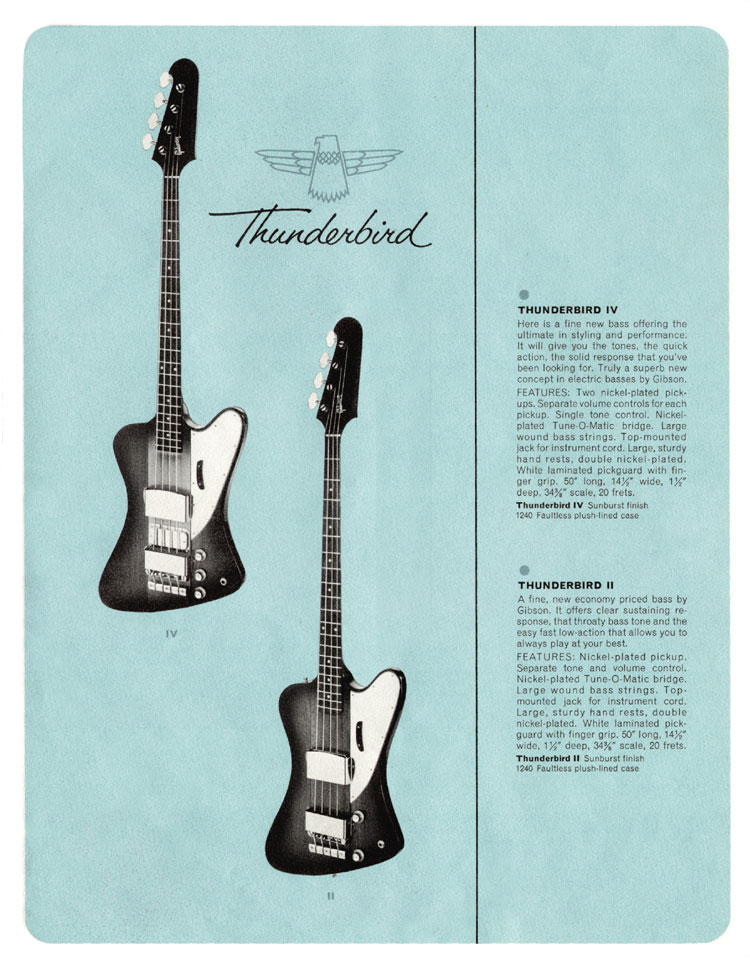
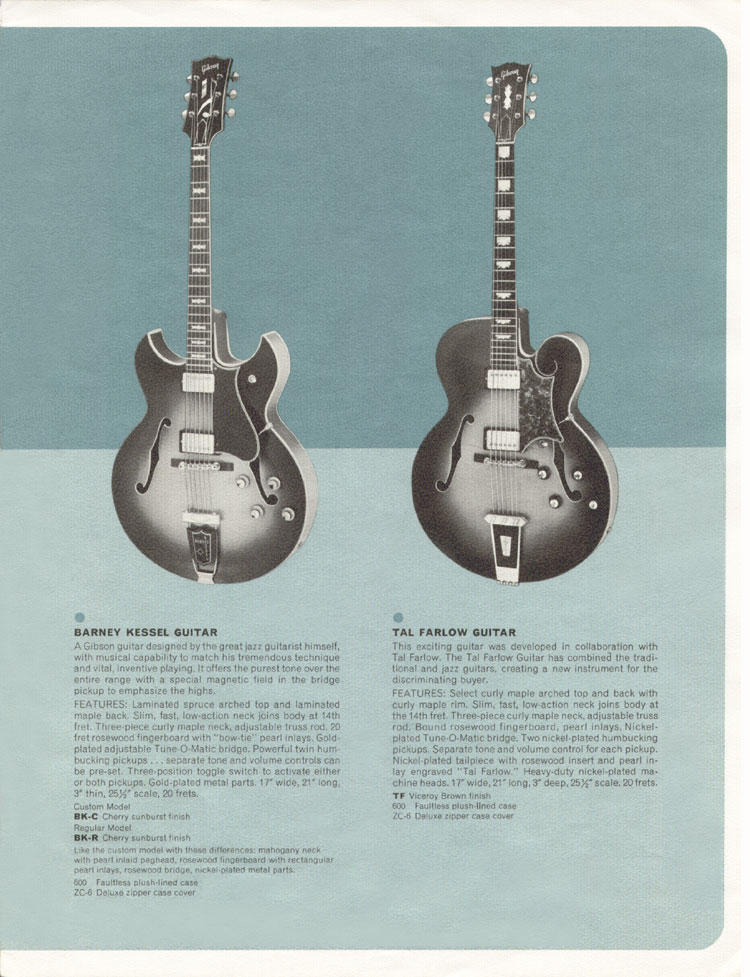
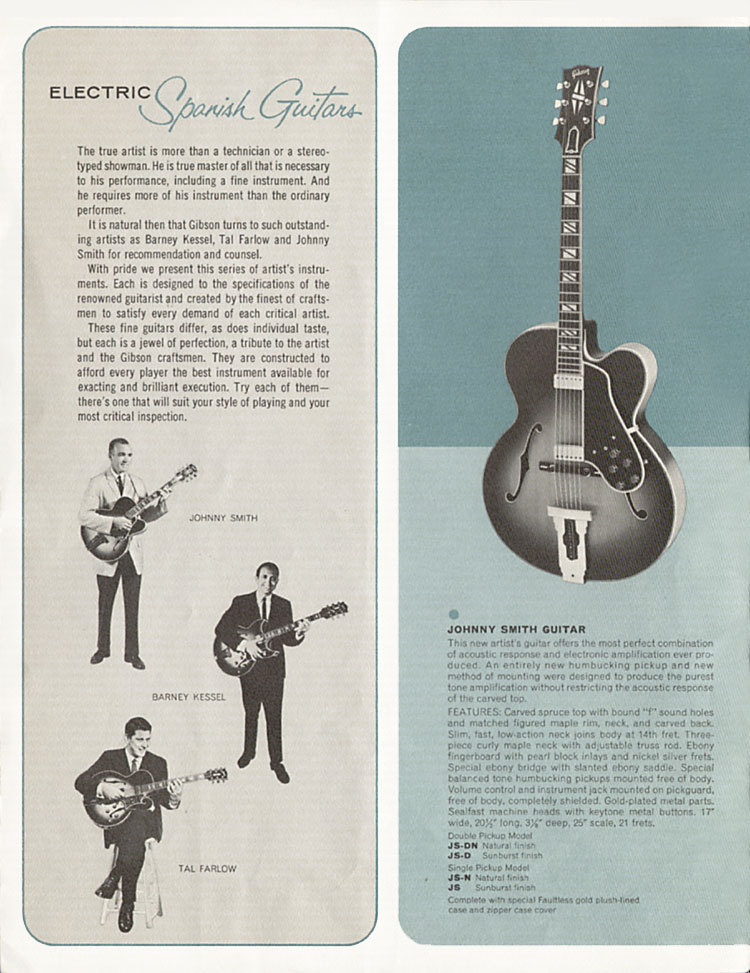
The Original Gibson Guitar catalog edited in 1963

In Gears on January 3, 2010 at 11:32 am

The Original Gibson Electric Guitar Catalog (1963)

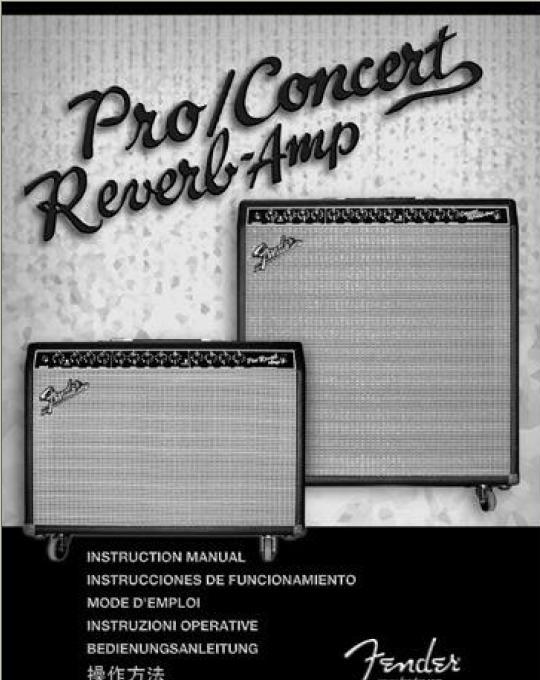
Fender Pro Reverb Original Instruction Manual

In Gears on January 3, 2010 at 10:38 am

Fender ProReverb Amp Instruction Manual

Just click the link to download.

The Fender ProReverb Instruction Manual

Dating Fender Amps – Using the Fender Tube Chart

In Gears on January 2, 2010 at 2:03 pm

Fender Logo

Look inside the amp (but don’t stick you hand in there, even after being unplugged the amp may retain a dangerous electrical charge), there should be a tube chart on most amps.  On this chart there is a hand stamped date code consisting of 2 letters.   For example AD would be April 1990 and DG would be July 1954.

Fender Amp Date Codes

Letter Code

Vintage Year

Reissue Year

Month

A

1990

January

B

1991

February

C

1953

1992

March

D

1954

1993

April

E

1955

1994

May

F

1956

1995

June

G

1957

1996

July

H

1958

1997

August

I

1959

1998

September

J

1960

1999

October

K

1961

November

L

1962

December

M

1963

N

1964

O

1965

P

1966

Q

1967

Cycle des Quintes (Fifths)

In Theorie on January 2, 2010 at 9:40 am

The above association applies to any note of our musical system.

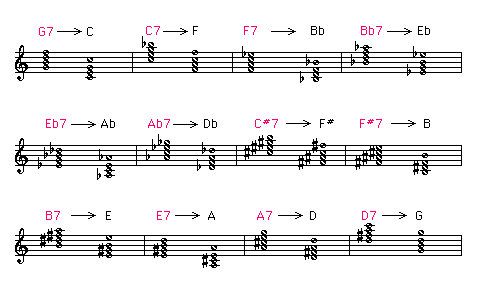
When we play the C for example as a C7 chord it in turn becomes unstable, it assumes to our ear the role of Overtone No.3, and resolves to its Fundamental tone a perfect fifth down, the F.

The F in turn as an F7 chord resolves a fifth down to Bb.

Bb7 resolves a fifth down to Eb, and so on.

Continuing this process from chord to chord we eventually return back to our starting point.

This circle is called the Circle of Fifths.

The Circle of Fifths is sometimes also referred to as the Circle of Fourths.

For moving a perfect 5th downwards (from G down to the C below) is the same as moving a perfect 4th upwards (from G up a 4th to the C above).

Applications and Exemples

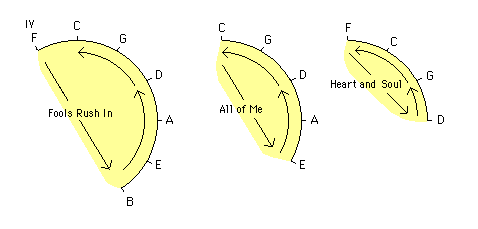
Just about every Jazz Standard, exhibits the same principle.

Here a few examples :

Fools Rush In                             All of Me                         Heart and Soul

  • “Fools Rush In” by Johnny Mercer and Rube Bloom starts with :

Fmaj7 – Bm7b5 – Em7 – Am7 – Dm7 – G7 – Cmaj7 –

  • “All of Me”  by Simons and Marks contains this progression :

Cmaj7 – E7 – A7 – Dm7 – G7 –

  • “Heart and Soul” by Hoagy Carmichael (similar to I Got Rhythm by George Gershwin, Oleo by Sonny Rollins, and several other Jazz Standards) goes :

F – Dm – Gm – C – F – Dm – Gm – C –

  • The three chords for the 12 bar Blues also are three adjacent members on the Circle of Fifths :Blues in C : V = G , I = C , IV = F

Blues in F : V = C , I = F , IV = Bb

Blues in A : V = E , I = A , IV = D

etc.

Source: JazClass from Michael Furstner, who developped a very comprehensive Jazz Class course. Thanks to him.

Bonne Année 2010

In Others on January 1, 2010 at 11:25 pm
Bonne année

Bonne année

Les Gammes symétriques

In Theorie on January 1, 2010 at 4:48 pm

The Whole-tone scale

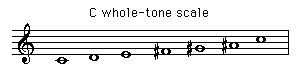
All the notes of the chromatic scale are spaced at equal (‘symmetrical’) , semitone, intervals. This scale is therefore a called a symmetric scale. One can also form a symmetric scale by selecting notes spaced at whole tone (2 semitones) intervals. This scale consists of six notes only and is called the Whole-tone scale.

Here the C whole-tone scale.

Any of the above notes can form the tonic of the whole-tone scale using the same six notes.

Scale Notes
C whole-tone scale C D E F# G# A# C
D whole-tone scale D E F# G# A# C D
E whole-tone scale E F# G# A# C D E
F# whole-tone scale F# G# A# C D E F#
G# whole-tone scale G# A# C D E F# G#
A# whole-tone scale A# C D E F# G# A#

Jazz improvisers were quick to take up this new sound for improvisation over augmented triads and augmented 7th chords (+7 or 7aug).

8-note Symmetric scales

Other symmetric scales can be formed by alternating note spacings of tones and semitones. There are two possibilities.

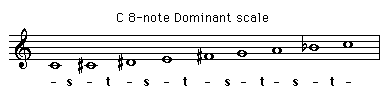
8-note Dominant scale (semitone – tone – semitone – tone -)
This scale starts with a semitone between the tonic and 2nd note, then a tone between the 2nd and 3rd notes, again a semitone between the 3rd and 4th note, and so on.

In Jazz this scale is used as an alternative choice for improvisation over dominant 7th and altered dominant 7th chords .

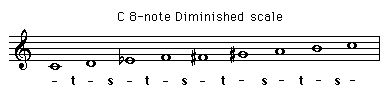
8-note Diminished scale (tone – semitone – tone – semitone – )
This scale starts with a tone between the tonic and 2nd note, then a semitone between the 2nd and 3rd notes, again a tone between the 3rd and 4th note, and so on.

In Jazz this scale is used for improvisation over diminished chords